

Your shopping cart is currently empty.

Sign in and join Kleen Rite rewards to earn points and redeem rewards
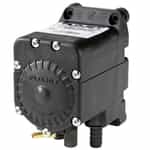
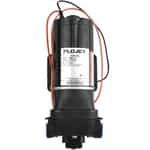
Flojet offers a robust line of air pumps and electric diaphragm pumps for a wide range of applications. Their pumps feature simple yet innovative designs with compact footprints and excellent chemical resistance. Flojet’s electric pumps come in several voltage options, so you’re sure to find a solution that is compatible with your electrical requirements. They are commonly used with RVs, food and beverage, and marine applications. Flojet’s air pumps, like the G57 line, offer quiet, highly-efficient operation with top chemical resistance. They are frequently used in applications where low to medium pressure is used to pump chemicals, like car washes and manufacturing facilities. We also have plenty of OEM repair parts to service, rebuild, and maintain your Flojet pump!
The Flojet pumps we offer are broken down into two primary types: air operated diaphragm pumps and electric diaphragm pumps. While there are several pump details and variables that you eventually have to figure out, knowing the difference between the two basic pump types is where you should start.
Car washes use Flojet air pumps for low-pressure services like tire cleaners, presoaks, foam, and soaps. Air pumps are also used in other industrial environments where potentially harmful chemicals are used. They are an economical replacement for electric pumps when you can’t run electrical wires because it’s either impossible or unsafe to do so. AOD pumps feature compact, simple designs that use compressed air as a power source, so they are less susceptible to combustion and can operate when submerged. Flojet air diaphragm pumps can run dry and are self-priming.
Electric pumps are most frequently used for heavy-duty water transfer, spraying, and dispensing. These quietly operating pumps are available in a variety of voltages to suit your particular needs. Options include 12, 24, 36, 115, and 230-volt. Electric diaphragm pumps produce no emissions, so they are better for the environment and safer to use in confined spaces. Small electric motors within the pump housing make them compact and easy to fit into spaces. Electric diaphragm pumps are capable of running dry and are self-priming.
When selecting a Flojet water pump for your system, it’s essential to evaluate a few key specifications to ensure you get optimal performance and long-lasting reliability. To help you make an informed choice, consider the following important factors:
By understanding these core specifications, you’ll be able to confidently select a Flojet pump that meets your needs and delivers dependable service in demanding environments.
Flojet pumps are separated into several series that target different applications. They feature varying designs, PSI and GPM capability, diaphragm and seal materials, and other specification options. Not sure exactly what pump you’re looking for? Read this Flojet guide in our blog to learn more about the most important series.
For air-operated pumps like G57 models, there is no pressure adjustment on the pump itself. Instead, you adjust the incoming pressure from your compressed air source using a regulator to keep it within the accepted range of your pump (usually about 20-100 PSI). Most Flojet electric diaphragm pumps, however, can be adjust with a built-in screw. Here's a general step-by step-guide to help:
While these steps provide a solid understanding of how to adjust the pressure on your electric diaphragm pump, you should always consult operation manuals and maintenance guides that came with your pump - both for safety and performance.
Diagnosing a faulty RV water pump involves looking for several key warning signs that indicate performance issues or impending failure. The most common symptoms include weak or inconsistent water flow, odd noises like squealing or clicking from the pump, and water leaks near the unit or its fittings. If your Flojet pump cycles on and off even when you’re not using water, or if it fails to turn on altogether, these are additional red flags. Reduced pressure at faucets and showers may point to a worn-out diaphragm, clogged valves, or internal damage in the pump. You should also check for visible corrosion around electrical connections, as this can cause unreliable operation. Addressing these issues promptly helps avoid an unexpected shutdown, ensures consistent access to water in your RV, and protects other plumbing components from damage caused by leaks or surges in pressure. If you suspect your water pump is malfunctioning, refer to your owner’s manual and consider using Flojet OEM repair parts to restore reliable performance and avoid costly downtime on the road.
Here are some of the top-selling pump models used for RV applications. We also offer complete systems that include an accumulator tank.

Your shopping cart is currently empty.
Sign in and join Kleen Rite rewards to earn points and redeem rewards

